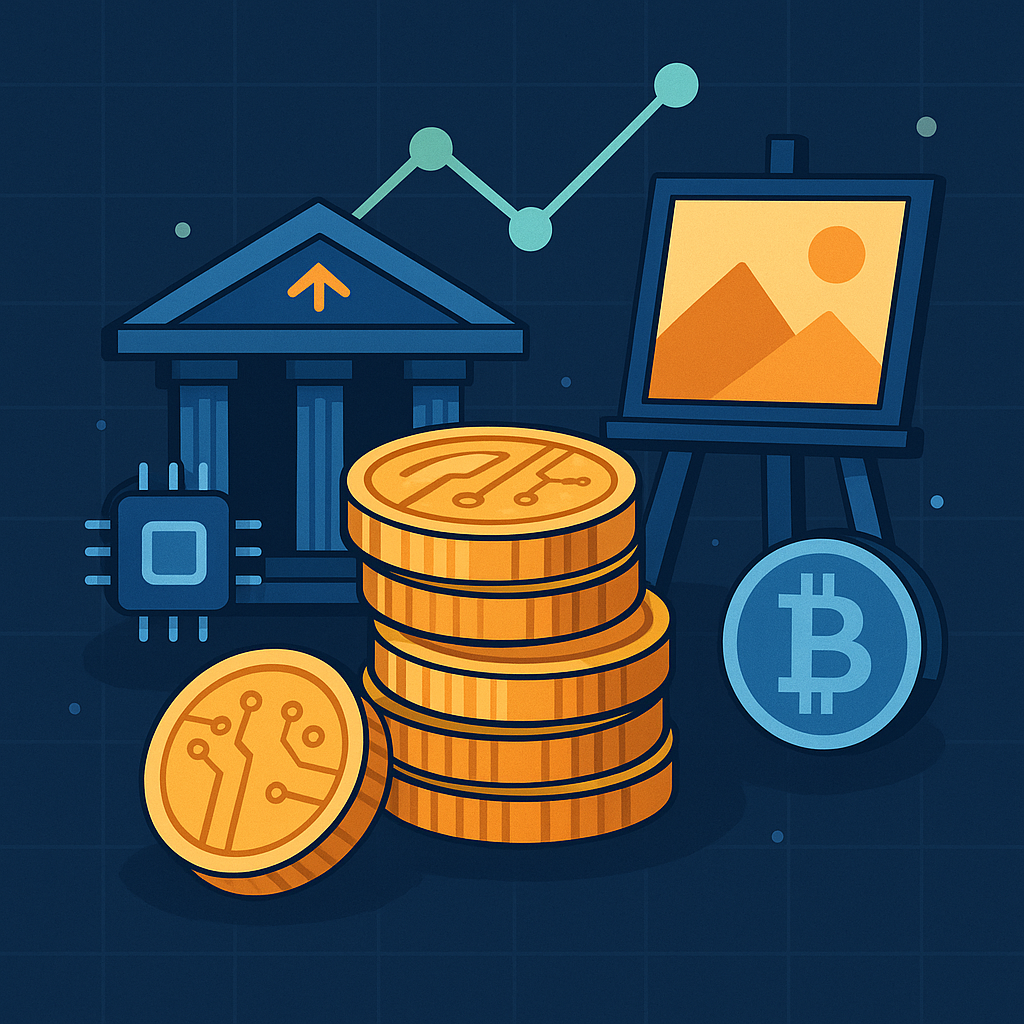
Imagine owning a fraction of a skyscraper or a rare piece of art, without ever stepping into a bank or signing a mountain of paperwork. This is no longer just a futuristic dream. Thanks to blockchain technology, the tokenisation of assets is making it a reality. By turning physical and intangible assets into digital tokens, this innovation is reshaping the very core of traditional finance. Whether you’re a casual investor or a financial institution, the impact of asset tokenisation is too significant to ignore.
Understanding Asset Tokenisation
To put it simply, tokenisation refers to the process of converting real-world assets into digital tokens on a blockchain. These tokens represent ownership or a share of the asset and can be traded or transferred just like cryptocurrencies.
For example, imagine owning a piece of real estate in New York. Traditionally, buying or selling a share of that property would involve legal documents, brokers, and considerable time. Through tokenisation, that property can be divided into hundreds or thousands of digital tokens, each representing a fraction of ownership. Investors can then buy and sell those tokens instantly through blockchain platforms.
This idea applies not only to real estate. Tokenisation can represent a wide range of assets, including stocks, commodities, art, intellectual property, and even collectables. As long as the asset holds value, it can be tokenised.
Key Benefits of Tokenisation
Tokenisation brings numerous benefits that are making traditional systems look outdated. First, liquidity is significantly enhanced. Illiquid assets like fine art or commercial real estate can now be broken into tradable pieces, opening up access to a wider pool of investors.
Second, accessibility becomes more democratic. Tokenisation enables individuals with limited capital to invest in high-value assets that were previously reserved for the wealthy or institutional investors. Instead of needing millions to invest in commercial real estate, one might only need a few hundred dollars to own a share through tokens.
Third, efficiency improves across the board. Blockchain technology removes intermediaries, reducing transaction costs and processing times. Settlement can happen within minutes rather than days, and transactions are recorded transparently on-chain for added security and trust.
Finally, global reach expands. Investors across different countries can access and trade tokenised assets, removing geographic barriers that often hinder traditional investing.
How Tokenisation Is Disrupting Traditional Finance
The potential of tokenisation to disrupt traditional finance is profound. One of the most apparent impacts is on how assets are issued and traded. In today’s world, financial markets are centralised and heavily regulated, often leading to slow and costly operations. Tokenisation, on the other hand, introduces decentralised and programmable financial instruments that operate with greater speed and lower friction.
Consider stock exchanges. Currently, when you buy or sell shares, it takes a couple of days for the transaction to clear and settle. With tokenised securities on a blockchain, settlement can occur in real-time, eliminating the risks associated with delayed payments or delivery failures.
Another area being disrupted is asset management. Portfolio diversification becomes easier with tokenised assets. Investors can diversify into fractions of assets across different sectors, geographies, and risk levels without needing massive capital or relying on fund managers.
Moreover, compliance and governance can be automated using smart contracts. These digital contracts can enforce rules such as who can own the asset, how much they can hold, and what happens in the event of default. This automation reduces human error, ensures transparency, and facilitates easier regulatory audits.
Related article: What’s the Difference Between AI Tokens and Meme Coins?
Real-World Examples of Tokenisation
Several companies and institutions are already exploring or actively using tokenisation. Swiss bank UBS has launched a tokenised money market fund on the Ethereum blockchain. Real estate platforms such as RealT and Brickblock allow people to invest in tokenised properties and earn rental income from anywhere in the world.
Art is another domain seeing disruption. Tokenised art pieces are allowing collectors to own a share of high-value works without purchasing the entire item. These tokens can then be traded, offering exposure to the art market’s value without traditional constraints.
Governments and central banks are also entering the scene. Projects around Central Bank Digital Currencies (CBDCs), while not fully aligned with asset tokenisation, are inspired by similar technology and reflect a broader shift toward token-based financial infrastructure.
The Road Ahead
While the benefits are clear, challenges still exist. Legal clarity is lacking in many jurisdictions. Questions around regulatory compliance, investor protection, and taxation still need to be resolved. Additionally, ensuring interoperability between blockchain platforms is critical to avoid siloed ecosystems that mirror the problems of traditional finance.
Despite these hurdles, the momentum behind tokenisation is strong. As technology matures and regulations evolve, we can expect a significant shift in how assets are owned, transferred, and invested in.
Conclusion
Tokenisation of assets is more than just a trend; it is a technological transformation with the power to break down barriers, increase participation, and improve transparency in global finance. Whether you are a retail investor or a large institution, the shift toward digital assets is paving the way for a more inclusive and efficient financial future. Understanding and embracing this change early could be the key to staying ahead in the next evolution of finance.
Olasunkanmi Abudu
Olasunkanmi Abudu is a Web3 content writer with over five years of experience covering blockchain, decentralized finance, and digital assets. He specializes in producing well-researched and accessible content that explains complex technologies and market trends to both general readers and industry professionals.