Market Pulse
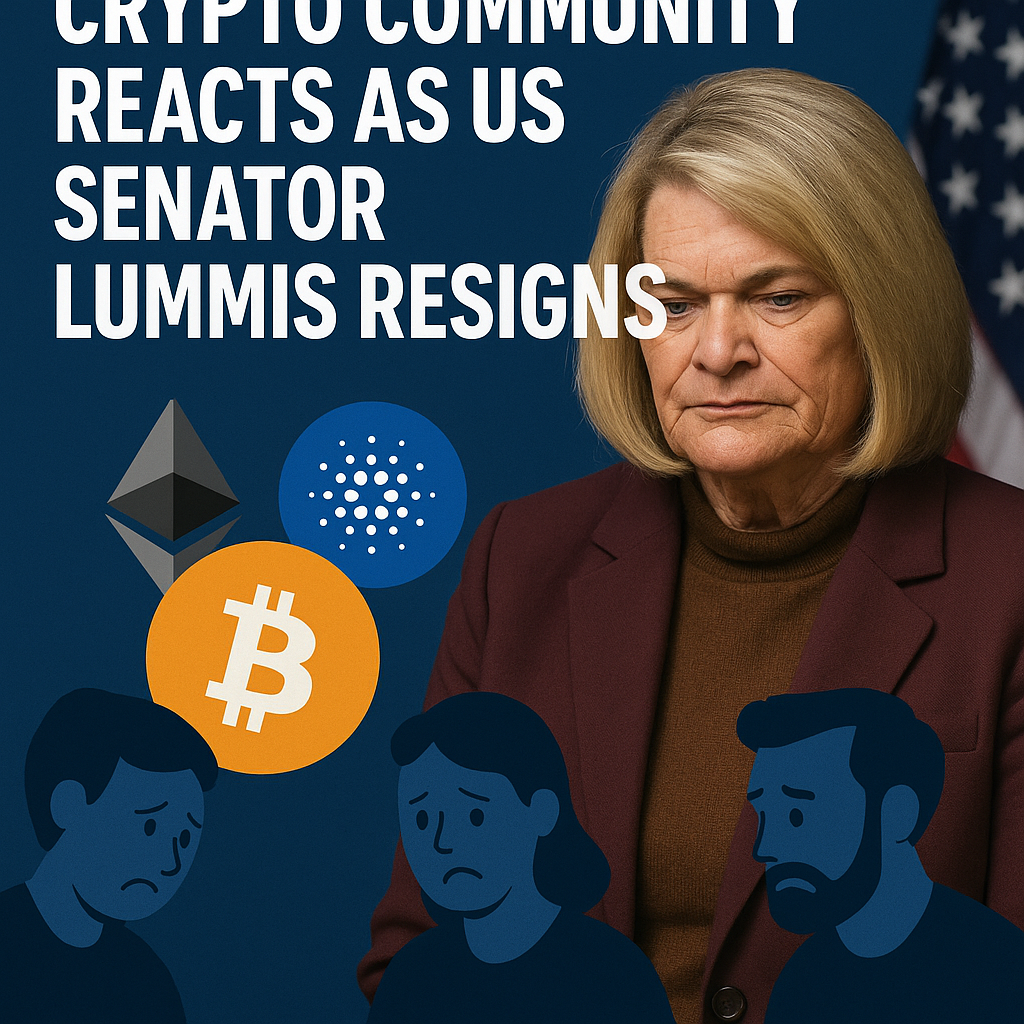
The crypto world is reeling today from the unexpected news that Senator Cynthia Lummis (R-WY), one of the most vocal and consistent advocates for digital assets in the US Congress, has announced her immediate resignation from the Senate. Her departure, effective December 21, 2025, sends shockwaves through a community that relied heavily on her bipartisan efforts to craft sensible regulatory frameworks. This development leaves a significant void in the legislative landscape, raising critical questions about the future trajectory of digital asset policy in Washington and the fate of pivotal bills.
The Crypto Stalwart’s Departure
Senator Lummis has been a unique and formidable force for cryptocurrency adoption and clarity since her election. A Bitcoin holder herself, she consistently championed the innovative potential of blockchain technology while advocating for regulatory frameworks that fostered growth without stifling innovation. Her efforts to bridge the understanding gap between traditional finance and the nascent crypto industry were unparalleled.
- Key Legislative Initiatives: She was the primary co-sponsor of the landmark Lummis-Gillibrand Responsible Financial Innovation Act, a comprehensive bill aimed at providing clear definitions and regulatory oversight for digital assets.
- Consistent Advocacy: Lummis frequently spoke on the Senate floor, in committee hearings, and at industry conferences, articulating the need for a balanced approach to crypto regulation, encompassing stablecoins, market structure, and consumer protection.
- Bipartisan Bridge-Building: Her ability to work across the aisle, notably with Senator Kirsten Gillibrand (D-NY), was crucial in advancing legislative discussions in a highly polarized political environment.
Implications for Pending Legislation
The immediate impact of Senator Lummis’s resignation will undoubtedly be felt across several critical pieces of crypto-related legislation currently in various stages of congressional review. Her absence removes a powerful and informed voice crucial for steering these complex bills through the legislative maze.
The Lummis-Gillibrand Act, though comprehensive, has faced an uphill battle. With Senator Lummis gone, its primary architect is no longer present to champion its passage, potentially leading to significant delays or even its eventual shelving. Other initiatives, such as stablecoin regulation and clear market structure frameworks, which she actively supported, may also lose crucial momentum, as many relied on her expertise and influence.
The Regulatory Vacuum: Who Steps Up?
Senator Lummis’s departure creates a substantial void. While other members of Congress have expressed interest in digital assets, none have matched her depth of understanding or her consistent, high-profile advocacy. The challenge now falls to remaining crypto-friendly lawmakers to coalesce and find a new standard-bearer. Without a strong, unified voice, the risk of fragmented, less effective, or even punitive legislation increases.
Market Reaction and Community Sentiment
The crypto market, often sensitive to regulatory uncertainty, is expected to react with caution. While not an immediate price catalyst, the long-term implications for clarity and innovation in the US could lead to sustained apprehension. Sentiment within the crypto community is largely one of disappointment and concern, with many lamenting the loss of a trusted ally.
- Uncertainty Ahead: Investors and businesses may pause new US-focused initiatives awaiting clearer direction.
- Calls for New Leadership: The community will be closely watching for other politicians to step forward and fill the leadership role.
- Potential for Brain Drain: Continued regulatory ambiguity could encourage crypto innovators to establish operations in more hospitable jurisdictions.
Conclusion
Senator Cynthia Lummis’s resignation marks a pivotal moment for digital asset regulation in the United States. Her departure removes a dedicated champion during a critical period, potentially slowing legislative progress and exacerbating regulatory uncertainty. While the crypto industry is resilient, the path forward will require new leadership and a renewed collective effort to ensure that the US remains competitive in the global digital asset landscape. The focus now shifts to how Congress will adapt and whether a new, equally effective advocate will emerge to guide the nation’s crypto policy.

Pros (Bullish Points)
- Could galvanize remaining crypto advocates to redouble efforts for sensible regulation.
- May open doors for fresh perspectives and potentially more targeted legislative initiatives.
Cons (Bearish Points)
- Loss of a powerful, informed advocate likely delays progress on comprehensive crypto legislation.
- Increased regulatory uncertainty could stifle innovation and investment in the short term, pushing talent overseas.
Frequently Asked Questions
Why did Senator Lummis resign?
While official reasons were not immediately detailed, her resignation effective December 21, 2025, is understood to be for personal reasons, marking an abrupt end to her influential tenure.
How does Lummis's resignation impact the Lummis-Gillibrand Act?
Her departure significantly jeopardizes the Lummis-Gillibrand Responsible Financial Innovation Act, as she was its primary architect and most vocal champion. Its future progress or even survival is now highly uncertain.
Who are other key pro-crypto voices in the US Senate?
While Senator Gillibrand remains a co-sponsor of the Lummis-Gillibrand Act, and others like Senator Toomey (though retired) have contributed, Lummis's level of consistent, dedicated advocacy will be difficult to replace immediately.